
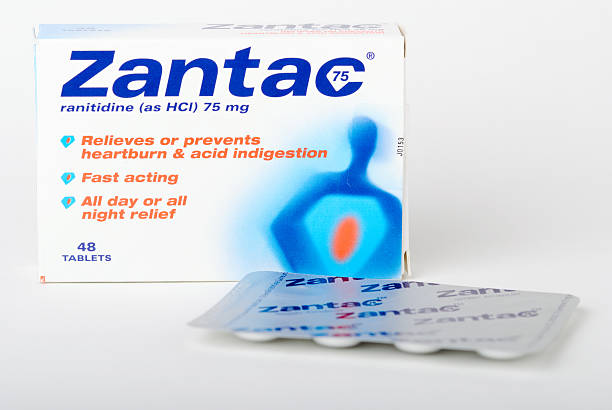
Concerns over the safety of the widely used heartburn medication Zantac (ranitidine) have increased in recent years. Research has revealed that the drug may contain NDMA (N-nitrosodimethylamine), a chemical classified as a probable carcinogen. As a result, many individuals who used Zantac and later developed cancer have filed lawsuits against its manufacturers, asserting that they failed to warn consumers about these serious risks.
1. The Critical Need for Clear Warnings
A central focus of the mass tort claims is the failure of the manufacturers to provide adequate warnings about the cancer risks associated with Zantac. Plaintiffs argue that the companies had a duty to disclose these risks and to ensure proper testing was conducted before releasing the drug to the market.
The FDA recall, along with the ongoing lawsuits, indicates that these lapses in warning may have contributed to the manufacturers’ liability and highlights the importance of transparent communication regarding drug safety.
2. Compensation for Affected Individuals
Another key aspect of the lawsuits involves seeking financial restitution. Victims argue that taking Zantac caused them significant harm, including medical bills, lost income, and emotional suffering. They assert that the manufacturers should be held accountable for these damages and provide compensation for the impact on their lives.
The recall and active litigation suggest that the companies may be found liable and could be required to provide compensation to those affected by the medication.
3. Conclusion
The Zantac mass tort cases underscore the importance of thorough drug testing and clear warnings before releasing products to the public. The recall of Zantac and the pursuit of compensation for victims represent essential steps toward accountability, emphasizing the need for pharmaceutical companies to prioritize consumer safety and well-being.